
The narratives surrounding the need for legal data transformation are clear.
Data is seeing drastic increases in size and complexity, not to mention topics like AI and unknown “dark” data. The stats show that data overload is real and leaders are concerned. At the same time, there’s an opportunity to turn legal data into ROI, as we’ve explored, “reframing [data overload] as a business intelligence asset rather than a liability and using it to sharpen decision-making, streamline operations, and strengthen security.”
Let’s take a closer look at four contributing factors behind effective legal data transformation.
The 4 Drivers of Legal Data Transformation

-
Risk: Reduce Exposure With Data Insights
Risk is intensifying across several fronts.
-
Enforcement: The $8.2 billion in financial remedies for fiscal year 2024 was the highest in history for the Securities and Exchange Commission (SEC), not to mention how the past three years represent the three highest totals in SEC history.
-
Litigation and Regulatory: According to the Norton Rose Fulbright 2025 Annual Litigation Trends Survey, 48% of corporate counsel expect more lawsuits, and 46% expect more regulatory investigations in the coming year.
-
Data Breach Costs: The average cost of a data breach in the U.S. for 2025 hit a record-setting $10.22 million, a 9% increase from the previous year, according to IBM. This came despite the global cost of a data breach decreasing 9% year-over-year to $4.4 million, as a result of faster identification and containment.
Reactive data practices aren’t enough. Proactive data insights are needed to anticipate and reduce exposure. -
-
Cost: Automation To Increase Operational Efficiency
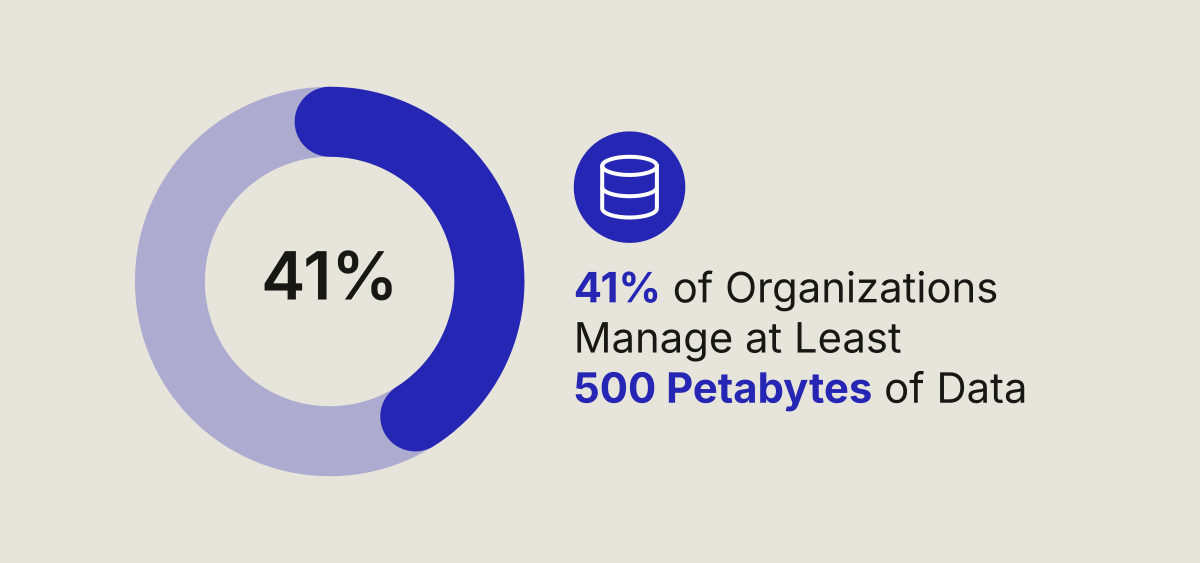
The sheer amount of data that companies manage is a common storyline, and for good reason. According to AvePoint, 41% of organizations manage at least 500 petabytes of data. Increasingly, that data is becoming more complex, spanning mobile, video, social media and messaging apps, technical data, and, of course, AI.
Organizations are already struggling. As AI maturity and adoption grows, manual processes and outdated technology can’t possibly keep up. Automation and powerful technology will be key.
-
Compliance: Stay Ahead of Evolving Regulations and Rising Litigation
We’ve already seen that risk areas like litigation and regulatory scrutiny are on the rise. The Norton Rose Fulbright survey also found that 73% of respondents under U.S. regulations anticipate greater uncertainty in regulated industries, following the overturning of the Chevron doctrine. Overall, 32% expected increased exposure to regulatory proceedings and investigations in the year ahead.
Keeping up with new rules and shifting doctrines across jurisdictions can create process burdens, as well as financial penalties, reputational damage, and more.
-
Value Creation: Becoming a Strategic Business Function
“Legal data has long been treated as a defensive necessity: something to preserve, collect, and review to avoid penalties,” as explained in our blog: Legal Data Management: Cost Center or Strategic Asset?
Whatever truth that narrative once had needs to change. The perception is flawed: if legal data management is in fact a cost center, everything becomes reactive and the effectiveness of data is undermined. It also misses out on the incredible value and insights that legal data management can provide.
What Does It Take To Modernize Legal Data Practices?
Across the four pain points — risk, cost, compliance, and value creation — it’s clear that traditional legal data practices are holding organizations back. The common denominator is reactivity.
Keeping up is table stakes. But that seems impossible given the acceleration across so many topics in this industry. How can legal teams keep up with the evolution of data, AI, cybersecurity, regulations, litigation, and more with the same reactive processes, technology, and, ultimately, mindset?
Modernizing legal data transformation starts with a proactive approach. One that reduces risk, improves efficiency, and aligns data with business goals. Take a look at our whitepaper for strategies that build proactive data practices.

Author
Senior Content Writer
Brian Neese is the Senior Content Writer at Casepoint, leading the strategy and development of thought leadership and marketing content that helps legal and government professionals connect with transformative technology. He brings more than 15 years of experience across technology, higher education, finance, and retail, including collaborations…
Categories:


