Understanding and Optimizing the eDiscovery Process for Modern Litigation
The eDiscovery process has become a cornerstone of modern litigation, requiring organizations to systematically identify, collect, process, review, and produce electronically stored information (ESI) in response to legal requests. This complex process presents significant challenges but also offers opportunities for organizations that adopt proactive strategies. This comprehensive guide explores the eDiscovery process, common challenges, and four key ways organizations can be proactive in managing their eDiscovery obligations.
What Is eDiscovery?
Electronic discovery (eDiscovery) is the process of identifying, gathering, processing, examining, and producing electronically stored information (ESI) in response to legal requests. This process has become an essential component of contemporary litigation due to the exponential growth of digital data in business operations.
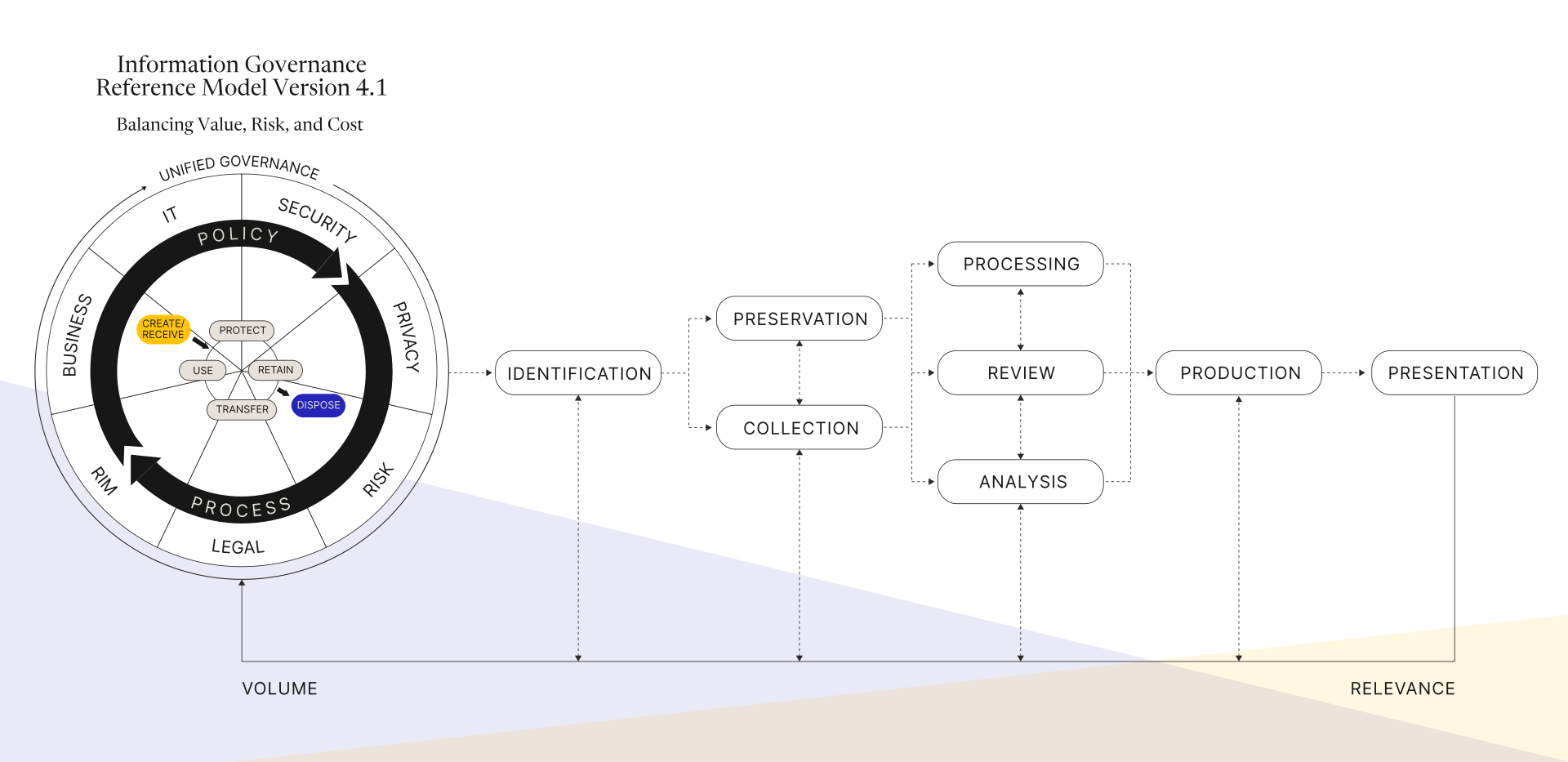
The eDiscovery process typically involves:
-
Identification: Locating potential sources of relevant ESI
-
Preservation: Ensuring ESI is protected from alteration or deletion
-
Collection: Gathering relevant ESI from identified sources
-
Processing: Preparing ESI for review and analysis
-
Review: Examining ESI for relevance and privilege
-
Analysis: Extracting meaningful insights from the collected data
-
Production: Presenting relevant ESI to opposing parties or courts
This process is inherently complex due to the volume, variety, and velocity of digital data in modern organizations. Failure to properly manage eDiscovery can result in significant legal and financial consequences, including sanctions, adverse inferences, and damaged reputations.
Common eDiscovery Challenges
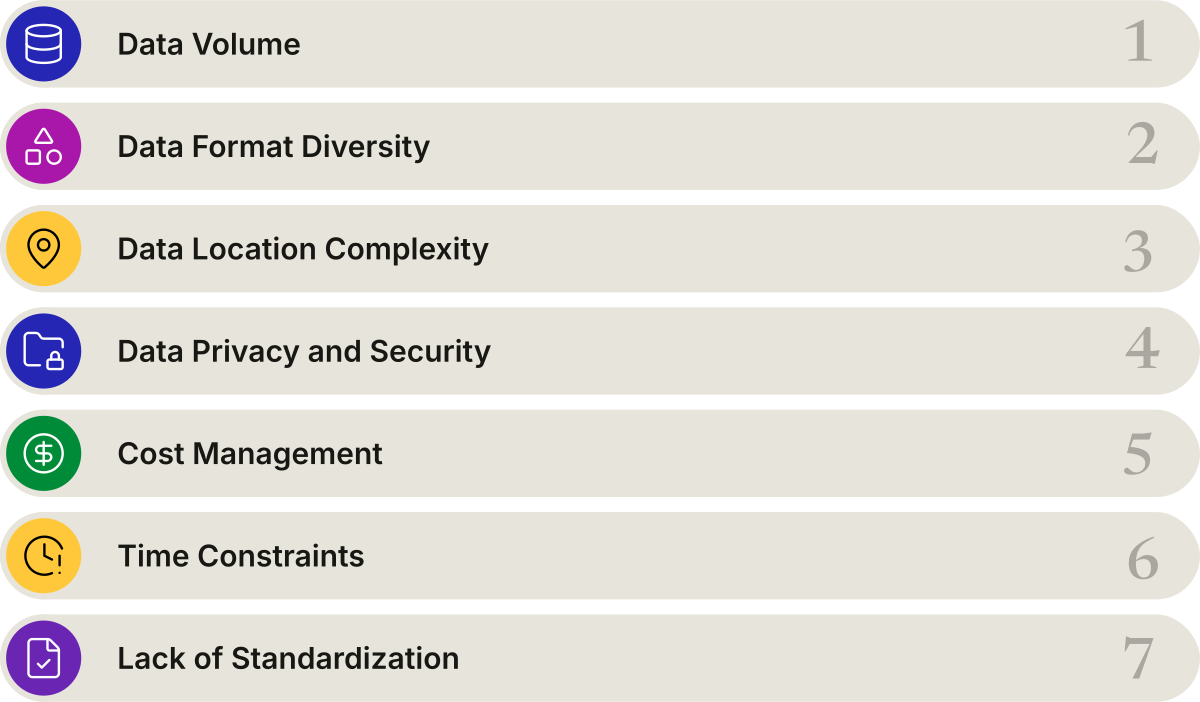
Organizations face several significant challenges in the eDiscovery process:
-
Data Volume
The sheer volume of ESI in modern litigation can be overwhelming. As organizations increasingly rely on electronic communication and digital storage, the amount of data subject to eDiscovery requests continues to grow exponentially. This volume makes the eDiscovery process more time-consuming, complex, and expensive to manage effectively.
-
Data Format Diversity
ESI exists in numerous formats, including:
-
Emails and attachments
-
Business documents (Word, Excel, PDF)
-
Databases and spreadsheets
-
Social media posts and messages
-
Instant messages and collaboration content
-
Audio and video files
-
IoT and sensor data
Each format requires different tools and methodologies for collection, processing, and analysis. Improper handling can lead to inaccuracies, delays, and increased costs.
-
Data Location Complexity
Data is often distributed across multiple locations and systems, including:
-
On-premises servers and workstations
-
Cloud storage and SaaS applications
-
Mobile devices and BYOD environments
-
Third-party platforms and services
-
Legacy systems and archives
Locating and collecting data from these disparate sources presents significant logistical challenges.
-
Data Privacy and Security
With increasing emphasis on data privacy and security, legal teams must ensure that sensitive information is protected throughout the eDiscovery process. This includes:
-
Personally identifiable information (PII)
-
Protected health information (PHI)
-
Financial and proprietary business information
-
Attorney-client privileged communications
Failure to properly secure this information can result in data breaches, regulatory violations, and legal sanctions.
-
Cost Management
Cost remains a major challenge in eDiscovery, particularly when considering expenses associated with:
-
Data processing and hosting
-
Document review (often the most expensive phase)
-
Technology and software licenses
-
External vendor and consultant fees
-
Storage and management of large datasets
Organizations must balance the need for thorough discovery with the imperative to control costs.
-
Time Constraints
Litigation deadlines are often tight, requiring organizations to respond to eDiscovery requests quickly. Missed deadlines can result in penalties, adverse inferences, or other legal consequences.
-
Lack of Standardization
The eDiscovery process lacks universal standardization, with different courts, jurisdictions, and countries having varying guidelines and requirements. This lack of consistency adds complexity to the process.
Steps to Improve the eDiscovery Process
To address these challenges, organizations can implement several strategic improvements:
-
Regular Reassessment
Organizations should periodically reassess their eDiscovery processes to identify areas for improvement. This involves:
-
Reviewing past cases to analyze costs, timelines, and outcomes
-
Soliciting feedback from all stakeholders (legal, IT, compliance)
-
Benchmarking against industry best practices
-
Evaluating new technologies and methodologies
-
Continuous Improvement
A culture of continuous improvement helps organizations stay ahead of evolving eDiscovery challenges. This can involve:
-
Adopting new tools and technologies as they emerge
-
Streamlining workflows to eliminate inefficiencies
-
Implementing lessons learned from previous cases
-
Staying current with legal and technological developments
-
Cross-Functional Collaboration
Effective eDiscovery requires collaboration across multiple departments. Organizations should:
-
Establish cross-functional teams including legal, IT, and compliance personnel
-
Foster regular communication and information sharing
-
Ensure all stakeholders understand their roles and responsibilities
-
Leverage each department's unique expertise and perspective
-
Process Mapping
Creating a visual representation of the eDiscovery process helps identify potential bottlenecks and areas for improvement. Process mapping should:
-
Clearly depict each step from identification to production
-
Highlight dependencies and hand-offs between teams
-
Identify potential risks and mitigation strategies
-
Serve as a reference for training and onboarding
-
Data Understanding
A thorough understanding of the organization's data landscape is crucial. This involves:
-
Identifying all potential data sources and custodians
-
Understanding where and how data is stored
-
Documenting data flows and retention policies
-
Assessing data relevance to potential legal matters
-
Team Assembly
Building the right team is critical for eDiscovery success. Organizations should:
-
Identify individuals with expertise in eDiscovery, data management, and legal compliance
-
Consider partnering with eDiscovery consulting firms for specialized knowledge
-
Ensure team members have access to necessary tools and training
-
Clearly define roles, responsibilities, and expectations
-
Role Definition
Clear definition of roles and responsibilities prevents confusion and ensures accountability. Each team member should understand:
-
Their specific tasks and deliverables
-
Relevant deadlines and milestones
-
Communication protocols and escalation paths
-
Quality standards and performance expectations
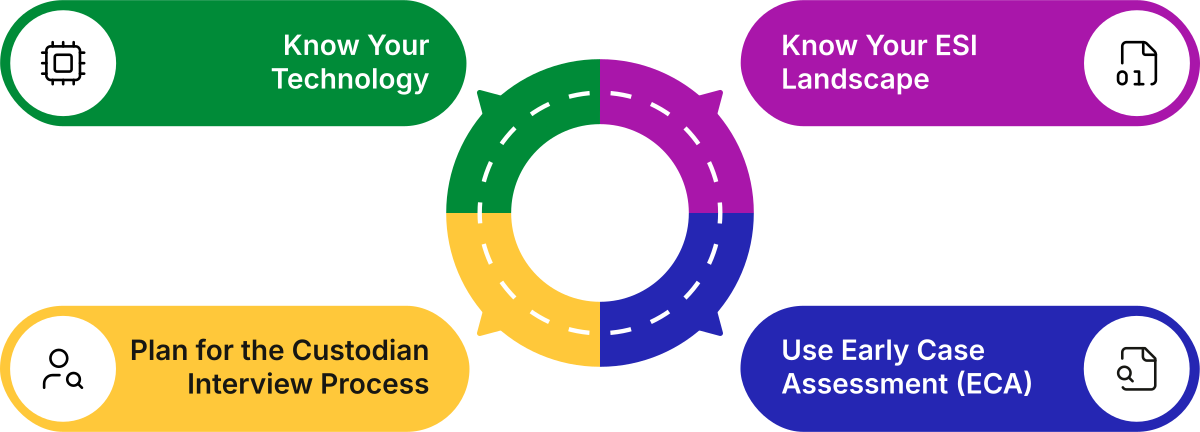
Four Ways to Be Proactive in the eDiscovery Process
-
Know Your Technology
A thorough understanding of eDiscovery technology is essential for proactive management. Organizations should:
By mastering their eDiscovery technology, organizations can handle data more effectively, perform sophisticated searches, and analyze documents with greater accuracy and speed.
-
Know Your ESI Landscape
A comprehensive understanding of the organization's electronically stored information (ESI) is crucial for proactive eDiscovery management. Organizations should:
-
Create comprehensive data inventories
-
Document all data sources and repositories
-
Map data flows and storage locations
-
Identify key custodians and their data profiles
-
Develop data maps
-
Visualize data relationships and dependencies
-
Identify potential collection challenges
-
Plan for data preservation and collection
-
Establish data retention policies
-
Align with legal and regulatory requirements
-
Balance preservation needs with storage costs
-
Ensure policies are consistently applied and enforced
-
Leverage expert guidance
-
Consult with eDiscovery specialists
-
Engage data management professionals
-
Utilize platform-specific consulting services
By thoroughly understanding their ESI landscape, organizations can identify all relevant data sources, preserve and collect data more efficiently, and avoid overlooking critical information.
-
Plan for the Custodian Interview Process
Custodian interviews are a critical component of the eDiscovery process, helping to identify key individuals, their roles, and the data they possess. To be proactive in this area:
-
Develop a structured interview process
-
Create standard question sets for different custodian types
-
Document all interview responses systematically
-
Identify data locations and access methods
-
Utilize technology to streamline interviews
-
Implement custodian management tools
-
Automate data collection requests
-
Track custodian responses and follow-ups
-
Conduct interviews early in the process
-
Gather information before data collection begins
-
Identify potential challenges or obstacles
-
Develop targeted collection strategies
By implementing a proactive custodian interview strategy, organizations can ensure comprehensive data collection and minimize the risk of missing critical information.
-
Use Early Case Assessment (ECA)
Early Case Assessment is a proactive approach that enables legal professionals to gain a comprehensive understanding of their case early in the process. ECA helps organizations:
-
Quickly assess case merits
-
Identify key documents and evidence
-
Evaluate strengths and weaknesses of the case
-
Develop initial case strategies
-
Estimate costs and timelines
-
Project resource requirements
-
Forecast potential expenses
-
Identify cost-saving opportunities
-
Develop effective litigation strategies
-
Focus on most relevant evidence
-
Identify potential settlement opportunities
-
Prepare for key legal arguments
-
Leverage advanced analytics
-
Use data visualization tools
-
Apply predictive coding technologies
-
Implement concept clustering and pattern recognition
By conducting ECA, organizations can make informed decisions early in the eDiscovery process, leading to significant time and cost savings while improving case outcomes.
Conclusion: Mastering the eDiscovery Process
The eDiscovery process presents significant challenges but also offers opportunities for organizations that adopt proactive strategies. By understanding the process, recognizing common challenges, and implementing the four proactive approaches outlined above, organizations can:
-
Improve efficiency in data collection and review
-
Reduce costs through targeted collection and early assessment
-
Enhance compliance with legal and regulatory requirements
-
Minimize risks of sanctions or adverse inferences
-
Strengthen case strategies through data-driven insights
-
Streamline workflows through technology and process optimization
As digital data continues to grow in volume and complexity, mastering the eDiscovery process will remain a critical competency for organizations. By leveraging advanced eDiscovery platforms, implementing best practices, and fostering a culture of continuous improvement, organizations can transform eDiscovery from a burdensome obligation into a strategic advantage in litigation and compliance matters.
Request Demo
See How Casepoint Enhances Your eDiscovery Process for Efficiency, Speed, and Compliance
The eDiscovery Process: A Comprehensive Guide to Proactive Management