
Data preservation is a critical component of the electronic discovery process, ensuring that electronically stored information (ESI) remains intact and admissible for legal proceedings. As digital data becomes increasingly central to litigation, understanding proper preservation techniques is essential for legal professionals and organizations.

Understanding Data Preservation

Data Preservation in eDiscovery Key Principles and Practices Internal Graphics Understanding Data Preservation-

Data preservation in eDiscovery refers to the systematic process of identifying, collecting, and safeguarding electronically stored information that may be relevant to legal matters. Unlike general data retention, preservation is specifically triggered when litigation is reasonably anticipated or when a legal hold is implemented. The primary goal is to maintain the integrity and admissibility of potential evidence throughout the legal process.

Key aspects of data preservation include:

  • Suspending normal data retention policies to prevent deletion

  • Protecting data from alteration or spoliation

  • Maintaining complete audit trails of all preservation actions

  • Preserving both content and metadata for evidentiary purposes

  • Ensuring data remains accessible and usable for legal review

Preservation Obligations and Timing

Legal obligations to preserve data arise when litigation is reasonably foreseeable or when a legal hold is formally issued. Parties must take reasonable steps to identify and protect all potentially relevant information, including:

  • All forms of ESI (emails, documents, databases, etc.)

  • Data from all relevant custodians and sources

  • Both active and archived information

  • Metadata and system information

The preservation process should begin immediately upon anticipation of litigation to:

  • Prevent accidental deletion or modification

  • Ensure comprehensive collection of relevant evidence

  • Establish a defensible preservation process

  • Avoid potential sanctions for spoliation

Preservation Letters and Implementation

Formal preservation letters serve as the foundation for effective data preservation. These documents should clearly outline:

  • The scope of preservation (data types, time periods, custodians)

  • Specific preservation requirements and prohibited actions

  • Consequences of non-compliance

  • Contact information for questions

Best practices for implementation include:

  • Issuing preservation notices to all potential custodians

  • Documenting all preservation actions and communications

  • Using technology to automate and track preservation efforts

  • Regularly updating preservation parameters as cases evolve

  • Maintaining clear chains of custody for all preserved data

Common Challenges in Data Preservation

Organizations frequently encounter several obstacles when implementing data preservation:
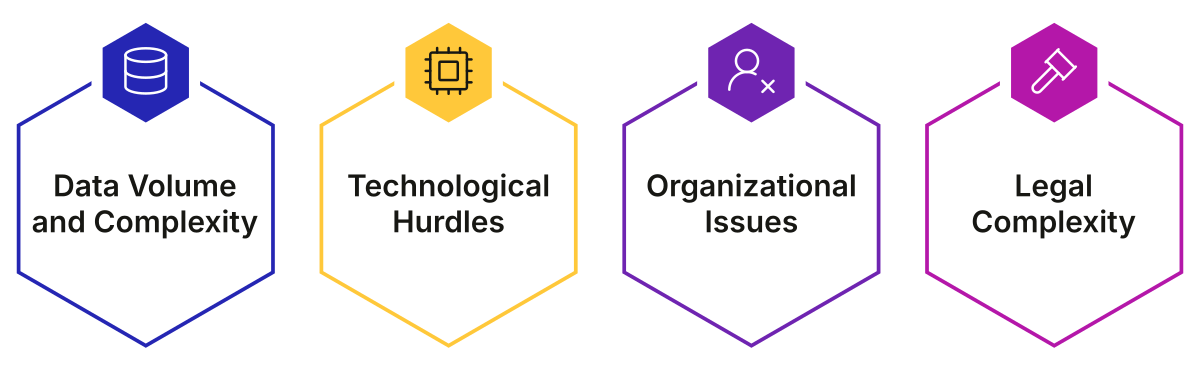
Data Preservation in eDiscovery Key Principles and Practices Internal Graphics Common Challenges in Data Preservation-
  • Data Volume and Complexity

    The sheer amount of ESI in modern organizations creates challenges in:

    • Identifying all relevant data sources

    • Managing diverse data types and formats

    • Balancing preservation needs with storage constraints

    • Ensuring comprehensive coverage across all systems

  • Technological Hurdles

    Various technical factors complicate preservation efforts:

    • Encrypted data that resists preservation

    • Cloud storage with unique preservation requirements

    • Collaboration platforms with distributed data

    • Automated deletion policies that conflict with holds

  • Organizational Issues

    Internal factors can impede effective preservation:

    • Lack of clear preservation policies

    • Inadequate employee training

    • Decentralized data management

    • Resistance to preservation requirements

    • Resource constraints

  • Legal Complexity

    Evolving legal standards create challenges in:

    • Varying preservation requirements across jurisdictions

    • Conflicting privacy laws and preservation duties

    • Changing court interpretations of preservation obligations

    • Increasing scrutiny of preservation practices

Best Practices for Effective Data Preservation

To overcome these challenges and implement successful data preservation:
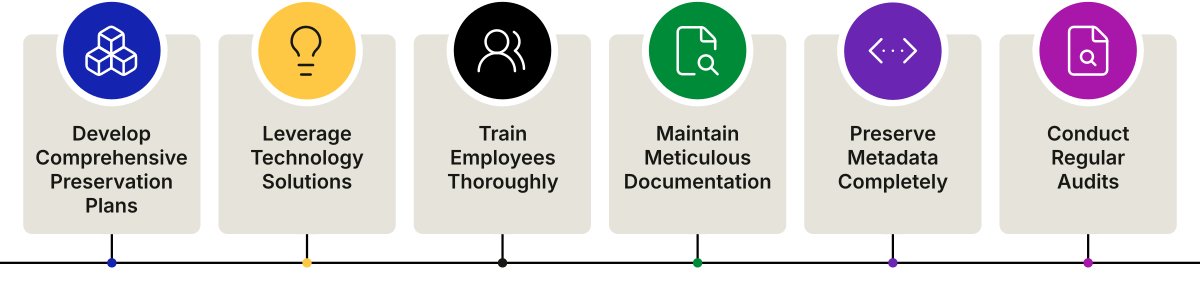
Data Preservation in eDiscovery Key Principles and Practices Internal Graphics Best Practices for Effective Data Preservation
  • Develop Comprehensive Preservation Plans

    • Create detailed documentation of preservation requirements

    • Define roles and responsibilities for all team members

    • Establish clear procedures for data identification and collection

    • Implement quality control measures

  • Leverage Technology Solutions

    • Use eDiscovery platforms with automated preservation features

    • Implement legal hold management software

    • Deploy data mapping tools to identify all relevant sources

    • Utilize analytics to prioritize preservation efforts

  • Train Employees Thoroughly

    • Conduct regular training on preservation obligations

    • Provide clear instructions for data handling

    • Explain consequences of non-compliance

    • Offer refresher courses as needed

  • Maintain Meticulous Documentation

    • Create comprehensive audit trails

    • Document all preservation actions and decisions

    • Track chain of custody for all preserved data

    • Record any exceptions or challenges encountered

  • Preserve Metadata Completely

    • Capture all technical and contextual metadata

    • Maintain original file properties and attributes

    • Document all system information related to preserved data

    • Ensure metadata remains linked to corresponding content

  • Conduct Regular Audits

    • Verify compliance with preservation requirements

    • Identify and address any gaps in preservation

    • Update preservation strategies as needed

    • Document audit findings and corrective actions

By implementing these best practices, organizations can establish defensible preservation processes that withstand legal scrutiny while controlling costs and maintaining efficiency. Proper data preservation not only ensures compliance with legal obligations but also positions organizations for success in litigation by maintaining the integrity and availability of critical evidence.

Data Preservation in eDiscovery: Key Principles and Practices

Categories: