
The ESI data collection process has become a critical component of modern eDiscovery, requiring organizations to systematically gather electronically stored information (ESI) for legal proceedings, investigations, and compliance requirements. As digital data continues to grow in volume and complexity, establishing a proper ESI collection framework ensures that relevant evidence is accurately identified, preserved, and collected in a legally defensible manner.
Understanding the ESI Data Collection Process
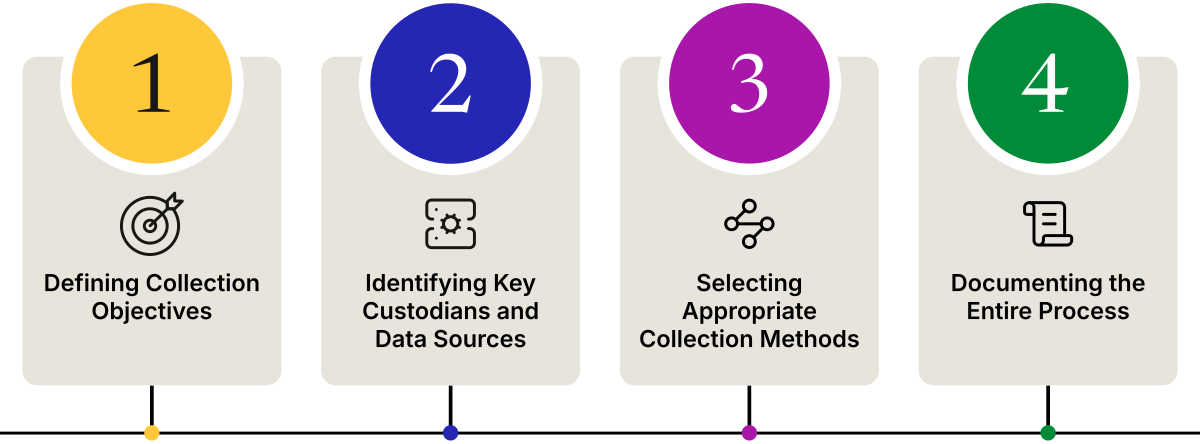
An effective ESI data collection process begins with comprehensive planning and preparation. This systematic approach involves:
-
Defining Collection Objectives
-
Identifying the specific types of ESI required
-
Determining the scope and timeframe of collection
-
Establishing clear goals for what needs to be collected
-
-
Identifying Key Custodians and Data Sources
-
Pinpointing individuals or departments with relevant information
-
Mapping all potential data repositories (email systems, cloud storage, databases)
-
Understanding the technical environment where data resides
-
-
Selecting Appropriate Collection Methods
-
Choosing between targeted collection, full disk imaging, or remote collection
-
Considering data volume, location, and accessibility factors
-
Evaluating privacy and legal constraints
-
-
Documenting the Entire Process
-
Maintaining detailed records of all collection activities
-
Establishing a clear chain of custody
-
Creating audit trails for defensibility
-
The ESI data collection process must be thorough, well-documented, and legally compliant to ensure the integrity and admissibility of collected evidence.
Planning and Preparation for ESI Collection
Successful ESI collection requires meticulous planning:
-
Develop a Comprehensive Plan
-
Outline all necessary tasks and responsibilities
-
Identify relevant custodians and data sources
-
Select and configure appropriate collection tools
-
Consider using advanced eDiscovery platforms like Casepoint
-
-
Address Legal Requirements
-
Understand applicable legal constraints
-
Ensure compliance with data privacy regulations
-
Document all legal considerations
-
-
Communicate Roles and Responsibilities
-
Clearly define each team member's duties
-
Ensure all participants understand the process
-
Establish communication protocols
-
Preservation of ESI
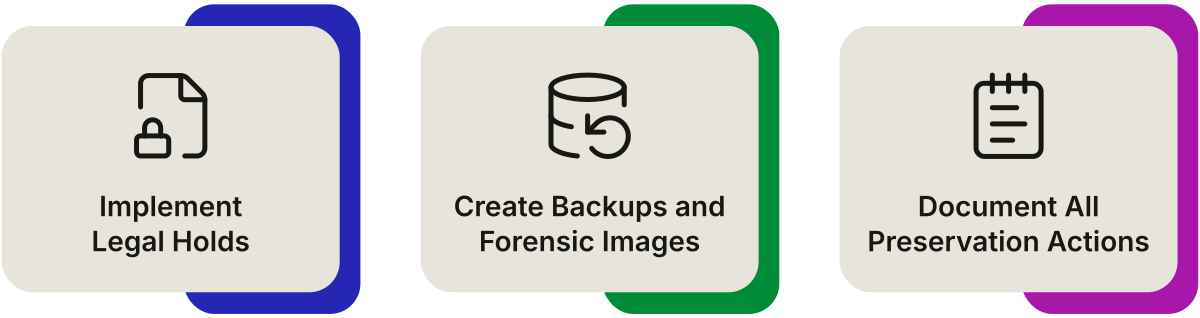
Immediate preservation is crucial to maintain data integrity:
-
Implement Legal Holds
-
Issue preservation notices to all relevant custodians
-
Document all preservation actions
-
Maintain original data formats
-
-
Create Backups and Forensic Images
-
Use forensic tools to create exact copies
-
Preserve metadata and system information
-
Store backups securely with proper documentation
-
-
Document All Preservation Actions
-
Record dates, methods, and responsible parties
-
Maintain chain of custody records
-
Create audit trails for defensibility
-
ESI Collection Methods and Tools
Selecting the right collection approach depends on several factors:
-
Collection Method Options
-
Targeted Collection
-
Focuses on specific custodians or data sources
-
More efficient for focused investigations
-
Reduces collection of irrelevant data
-
-
Full Disk Imaging
-
Creates complete copies of storage devices
-
Preserves all data including deleted files
-
More comprehensive but resource-intensive
-
-
Remote Collection
-
Gathers data from geographically dispersed sources
-
Useful for cloud-based or distributed systems
-
Requires secure transfer protocols
-
-
-
Collection Tool Selection
When choosing collection tools, consider:
-
Data Volume and Complexity
-
Technical Requirements
-
Legal and Compliance Needs
-
Integration Capabilities
-
User-Friendliness and Training Requirements
Advanced eDiscovery platforms like Casepoint offer comprehensive collection capabilities that streamline the process while maintaining legal defensibility.
-
-
Data Filtering and Processing
After collection, data must be processed for efficient review:
-
Apply Advanced Analytics
-
Use keyword searches and text mining
-
Implement predictive coding and machine learning
-
Apply data visualization techniques
-
-
Perform Data Culling
-
Remove duplicates through deduplication
-
Apply email threading to organize conversations
-
Filter out non-responsive data
-
-
Convert to Review-Ready Formats
-
Standardize file types for consistency
-
Prepare data for eDiscovery platforms
-
Ensure compatibility with review tools
-
-
Documentation and Chain of Custody
Meticulous documentation is essential for legal defensibility:
-
Record All Collection Activities
-
Document dates, times, and locations
-
Note all tools and methods used
-
Record any issues or exceptions
-
-
Maintain Clear Chain of Custody
-
Track data movement from collection to review
-
Document all handlers and transfers
-
Ensure uninterrupted custody records
-
-
Create Comprehensive Audit Trails
-
Log all actions taken on collected data
-
Document verification and quality control
-
Prepare for potential legal challenges
-
Benefits of a Proper ESI Data Collection Process
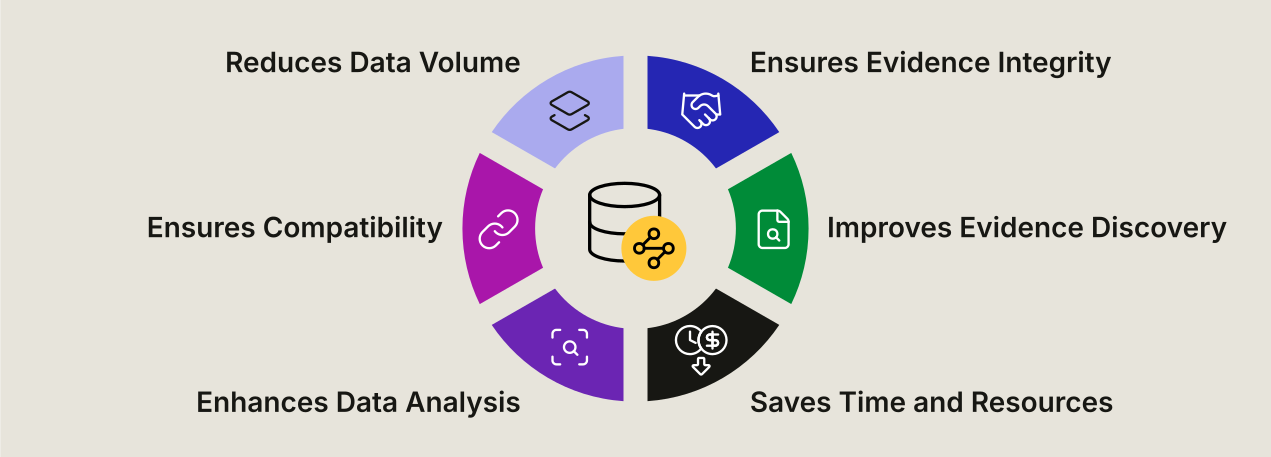
Implementing a well-structured ESI collection process offers significant advantages:
-
Ensures Evidence Integrity
-
Maintains data authenticity and admissibility
-
Preserves complete chain of custody
-
Supports legal defensibility of collected evidence
-
-
Improves Evidence Discovery
-
Increases likelihood of finding relevant evidence
-
Reduces risk of missing critical information
-
Enhances comprehensive data collection
-
-
Saves Time and Resources
-
Streamlines collection through targeted approaches
-
Reduces manual search efforts
-
Optimizes resource allocation
-
-
Enhances Data Analysis
-
Enables advanced search and analytics
-
Facilitates efficient data review
-
Supports better case strategy development
-
-
Ensures Compatibility
-
Standardizes data for eDiscovery platforms
-
Enables seamless integration with analysis tools
-
Supports efficient data processing
-
-
Reduces Data Volume
-
Eliminates irrelevant data early in the process
-
Focuses collection on truly relevant information
-
Lowers costs for subsequent review phases
-
Do's and Don'ts in ESI Data Collection
-
Best Practices (Do's)
-
Identify Key Custodians and Data Sources
-
Create comprehensive lists of potential custodians
-
Map all relevant data repositories
-
Consider all possible sources of relevant ESI
-
-
Develop Robust Collection Plans
-
Create detailed collection strategies
-
Define clear objectives and scope
-
Document all planned activities and responsibilities
-
-
Negotiate ESI Agreements
-
Establish clear terms for collection and production
-
Define expectations with opposing parties
-
Document all agreements for reference
-
-
Use Appropriate Collection Methods
-
Select methods based on case requirements
-
Consider data volume and complexity
-
Ensure legal compliance in collection approaches
-
-
Leverage eDiscovery Specialists
-
Consult with experienced professionals
-
Use specialized tools and platforms
-
Ensure proper supervision of collection processes
-
-
-
Pitfalls to Avoid (Don'ts)
-
Don't Use One-Size-Fits-All Approaches
-
Avoid generic collection methods
-
Tailor approaches to each specific case
-
Consider unique requirements of each matter
-
-
Don't Rely Solely on Self-Collection
-
Avoid unsupervised custodian collection
-
Implement proper oversight and verification
-
Use professional collection methods when appropriate
-
-
Don't Overlook Data Diversity
-
Consider all potential data types and sources
-
Account for cloud, mobile, and IoT data
-
Address emerging data formats and platforms
-
-
Don't Neglect Documentation
-
Maintain complete records of all activities
-
Document chain of custody thoroughly
-
Create comprehensive audit trails
-
-
Don't Ignore Legal Requirements
-
Stay current with evolving eDiscovery rules
-
Consider jurisdiction-specific requirements
-
Ensure compliance with data privacy laws
-
-
By following these best practices and avoiding common pitfalls, organizations can establish an effective ESI data collection process that supports successful eDiscovery outcomes while maintaining legal compliance and data integrity.
Categories:


