
The digital age has transformed how information is managed in legal contexts, introducing both opportunities and challenges. With the vast amount of digital data involved in legal cases, it's imperative to adopt efficient processes for managing this information. eDiscovery and deduplication are at the forefront of this transformation, streamlining the handling of digital evidence and optimizing legal procedures.
Understanding eDiscovery
eDiscovery refers to the process by which electronic data is sought, located, secured, and searched for use as evidence in legal cases. It encompasses various digital data, from emails and documents to databases and social media content.
The eDiscovery Process
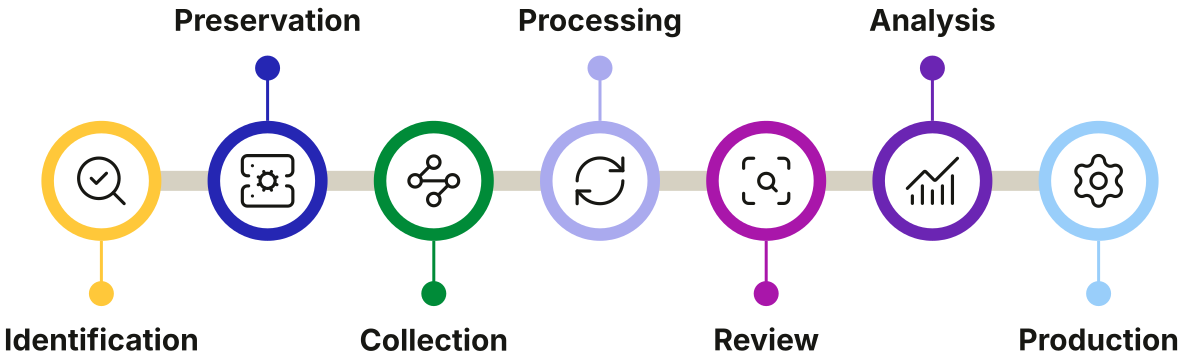
The eDiscovery process is comprehensive, involving several stages to ensure thorough management and analysis of digital evidence:
-
Identification: Locating potential sources of relevant electronic data
-
Preservation: Protecting data to prevent alteration or loss
-
Collection: Gathering preserved data from various sources
-
Processing: Converting data into reviewable formats
-
Review: Examining processed data for relevance
-
Analysis: Identifying patterns and critical insights
-
Production: Presenting relevant data as evidence
Challenges in eDiscovery
Modern eDiscovery faces multiple challenges:
-
Data Volume: Managing massive amounts of digital information
-
Technological Advancements: Keeping pace with new data formats and sources
-
Cross-Jurisdictional Complexities: Aligning with varying international laws
-
Cost Considerations: Balancing thoroughness with budget constraints
-
Efficiency vs. Thoroughness: Extracting relevant information without being overwhelmed
Fundamentals of Deduplication
-
What is Deduplication?
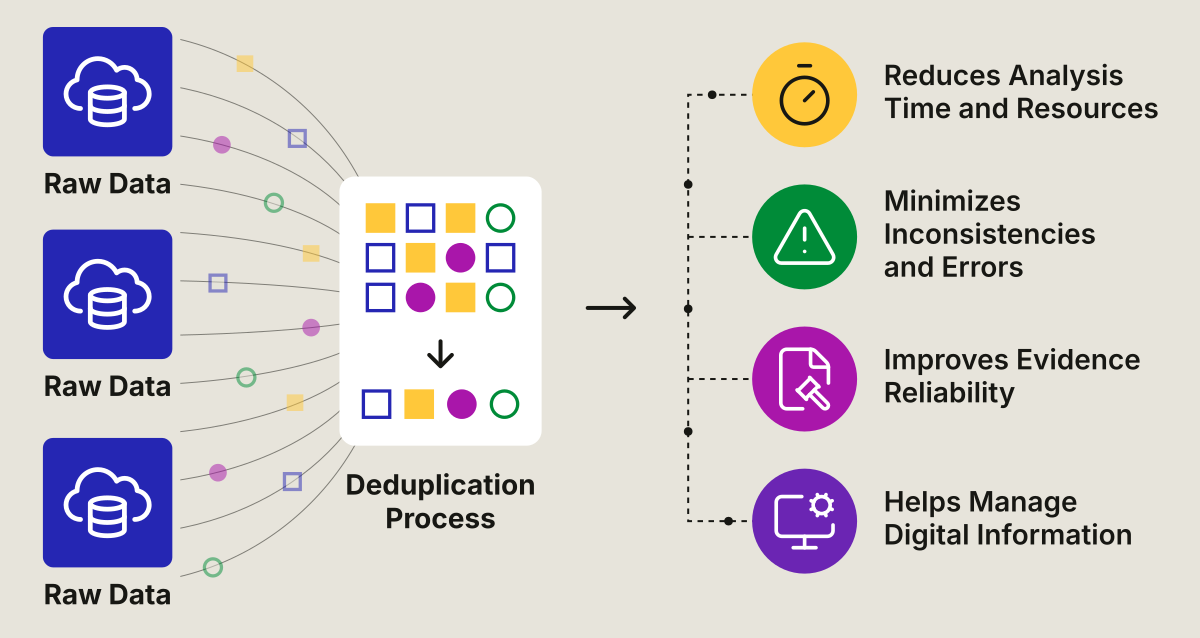
Deduplication is the process of identifying and removing duplicate data to enhance eDiscovery efficiency and precision. This process:
-
Significantly reduces analysis time and resources
-
Minimizes potential inconsistencies and errors
-
Improves evidence reliability
-
Helps manage the surge of digital information
In today's data-rich legal environment, understanding how to deduplicate effectively is essential for maintaining accuracy and efficiency in legal proceedings.
-
-
Types of Deduplication
Benefits and Limitations of Deduplication
Benefits
-
Enhanced Data Management: Simplifies complex datasets
-
Operational Efficiency: Reduces storage and processing costs
-
Faster Access: Enables quick retrieval of critical information
-
Resource Optimization: Allows focus on most relevant content
-
Improved Accuracy: Minimizes human error in data analysis
Limitations
-
Algorithm Complexity: Requires sophisticated tools for accurate identification
-
Context Preservation: Risk of losing valuable metadata
-
Manual Oversight: Needs human verification to maintain integrity
-
Balancing Act: Must weigh efficiency against thoroughness
Deduplication Techniques in eDiscovery
Best Practices in eDiscovery and Deduplication
Conclusion
eDiscovery and deduplication are essential components of modern legal data management. By understanding and effectively implementing these processes, legal professionals can:
-
Navigate complex digital data landscapes
-
Maintain evidence integrity
-
Improve legal proceeding efficacy
-
Enhance operational efficiency
-
Reduce costs and resource requirements
As technology continues to evolve, staying current with deduplication techniques and eDiscovery best practices will be crucial for legal teams to maintain competitiveness and effectiveness in an increasingly digital legal landscape.
Categories:


