
Enterprise AI implementation transforms organizational workflows and requires broader organizational change than a standard software upgrade. Without early guardrails, organizations face data misuse, compliance gaps, algorithmic bias, and security threats. Casepoint supports information governance, compliance workflows, and secure data discovery, helping organizations prepare trusted data for responsible enterprise AI adoption.
Why Enterprise AI Implementation Requires Governance First
Machine learning algorithms depend on structured, accurate data to deliver reliable results. Weak oversight increases operational errors, legal exposure, and severe regulatory fines across departments.
Hence, organizations must establish strict policies, oversight structures, and team accountability before scaling software tools. Proper AI governance strengthens enterprise AI implementation through early control and clear audit trails. This proactive approach improves AI risk management while maintaining strict AI compliance standards.
Steps to Improve AI Risk Management and Maintain AI Compliance
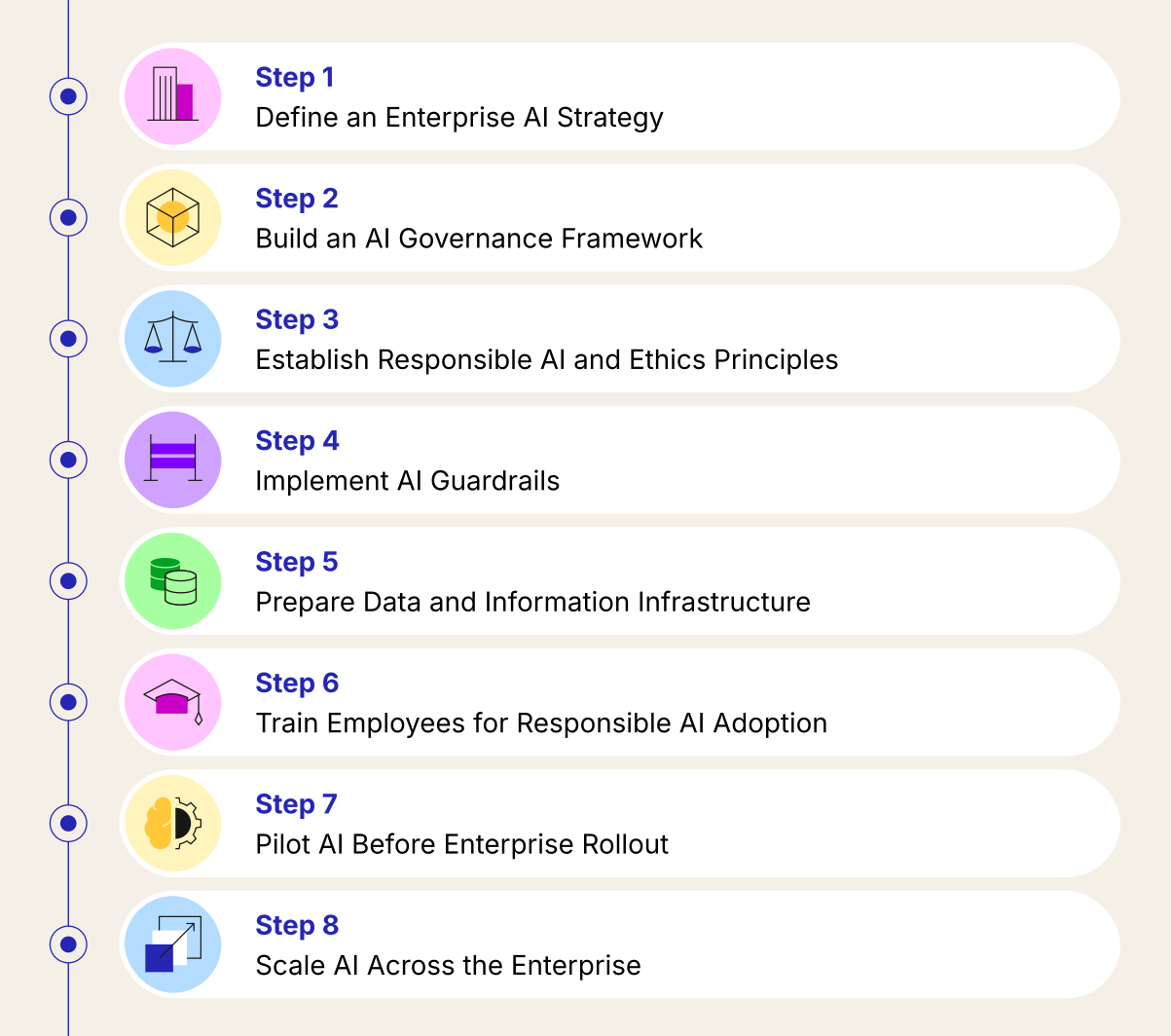
Step 1: Define an Enterprise AI Strategy
A clear corporate AI strategy helps teams connect AI investments to business priorities.
-

Align AI with Business Goals
Executive teams should first identify the specific operational challenges AI needs to solve. From there, successful enterprise AI adoption prioritizes high-value use cases based on operational impact, feasibility, and long-term corporate objectives. Department managers can then define measurable KPIs to evaluate automated response accuracy, process improvement, and business value.

Step 2: Build an AI Governance Framework
Structured operational guidelines establish clear accountability across every organizational tier during complex digital deployments.
-

Establish Governance Structure
Executive leaders assemble dedicated oversight committees to guide technology deployments and set operational rules. These internal bodies establish a formal AI governance framework that clarifies primary ownership across departments.
Standardized policies create clear approval workflows before teams deploy automated analytical tools. Active collaboration among legal, IT, security, and business units helps organizations to maintain strict AI compliance across operations.
Step 3: Establish Responsible AI and Ethics Principles
Clear ethical rules help organizations manage automated systems without compromising operational standards or public trust.
-

Build Trustworthy AI
Organizations establish core guidelines for responsible AI to reduce algorithmic bias across daily operational processes. These guidelines support transparent record reviews, explainable decisions, and stronger protection for employee and customer information. Integrating AI ethics in business ensures qualified human managers review high-risk decisions before final approval.
Step 4: Implement AI Guardrails
Technical boundaries protect organizational data systems from operational errors and unauthorized system access.
-

Reduce AI Risks with Operational Controls
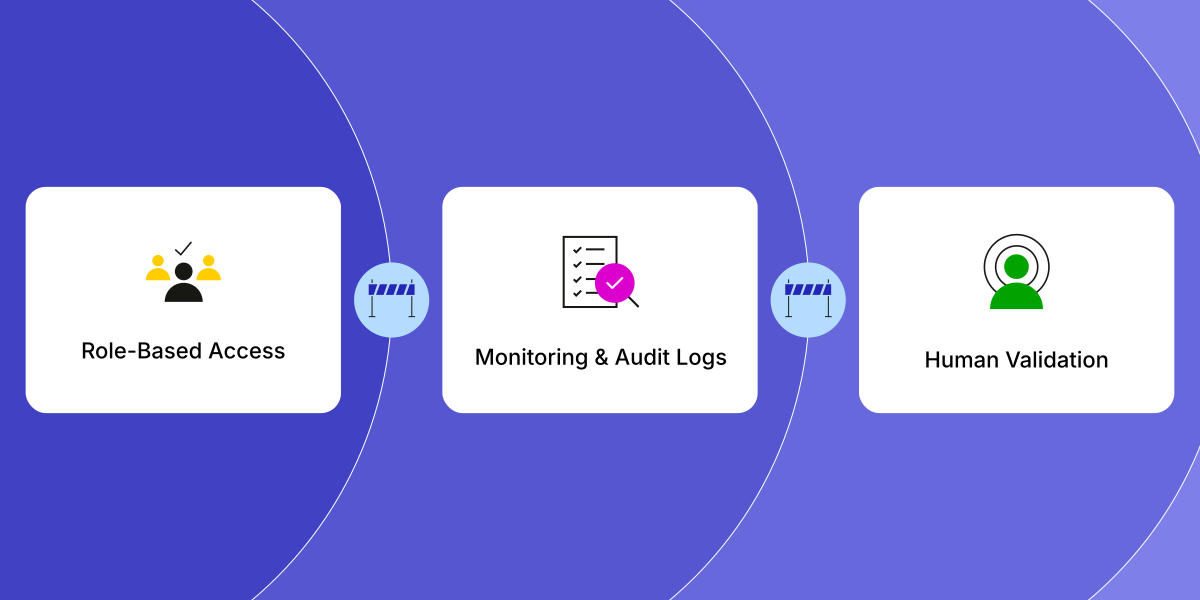
Engineers construct active AI guardrails using role-based access controls to safeguard sensitive enterprise records. Then tracking tools continuously monitor system performance to help flag hallucinations, operational misuse, and inaccurate outputs while improving traceability across digital workflows. Detailed audit logs maintain complete traceability across all digital processing workflows. Human validation steps strengthen broad AI risk management before system actions affect core business operations.

Step 5: Prepare Data and Information Infrastructure
Organized data platforms provide the underlying technical structure required for consistent algorithmic processing.
-

Build an AI-Ready Data Foundation
Data management teams consolidate scattered business records into unified systems to eliminate isolated information silos. Rigorous information governance policies classify regulated files, enforce retention rules, and maintain data consistency. Clean data foundations reduce error rates in every phase of enterprise AI implementation.

How the Casepoint Platform Supports AI Governance and Guardrails
Casepoint equips organizations with centralized tools to manage complex enterprise records securely.
-

Centralized Information Governance
The Casepoint platform unifies system management to reduce data fragmentation.
-

Secure Data Management
Controlled permissions help protect sensitive information and support privacy regulations.
-

Compliance and Audit Readiness
Defensible audit trails help organizations maintain a valid AI governance framework.
-

Information Lifecycle Management
Information governance manages data throughout its lifecycle, from creation to retention and defensible disposal, so compliant, trusted records support AI workflows.
-

AI-Ready Enterprise Data
Configured AI guardrails support clean data streams and increase confidence in automated results.


Step 6: Train Employees for Responsible AI Adoption
Targeted workforce education ensures employees understand functional software capabilities and ethical boundaries.
-

Develop AI Literacy
Role-based instruction builds broad operational awareness around responsible AI principles. Clear guidelines regarding AI ethics in business protect systems against data leakage, inaccurate answers, and algorithmic bias. Ongoing educational sessions update user skills as operational tools change over time.

Step 7: Pilot AI Before Enterprise Rollout
Initial trial programs allow technical teams to evaluate new software tools inside restricted testing environments.
-

Validate AI at Small Scale
Testing teams can launch low-risk projects to measure direct operational results without risking core assets. These controlled trial phases reveal compliance gaps and operational bottlenecks early. Administrators can then refine internal governance standards using real performance data before full operational rollouts.
Step 8: Scale AI Across the Enterprise
Broad software deployment across multiple departments requires consistent administrative oversight and standardized operational rules.
-

Expand AI Responsibly
Organized teams standardize tested workflows to support a cohesive corporate AI strategy. As enterprise AI adoption expands, structured governance across departments helps maintain safe and consistent operations. Continuous performance reviews then allow managers to update operational policies using real analytical insights.
Common Challenges in Enterprise AI Implementation
Unprepared organizations frequently encounter distinct technical and organizational obstacles during major software deployments.
-

Overcoming Enterprise AI Barriers
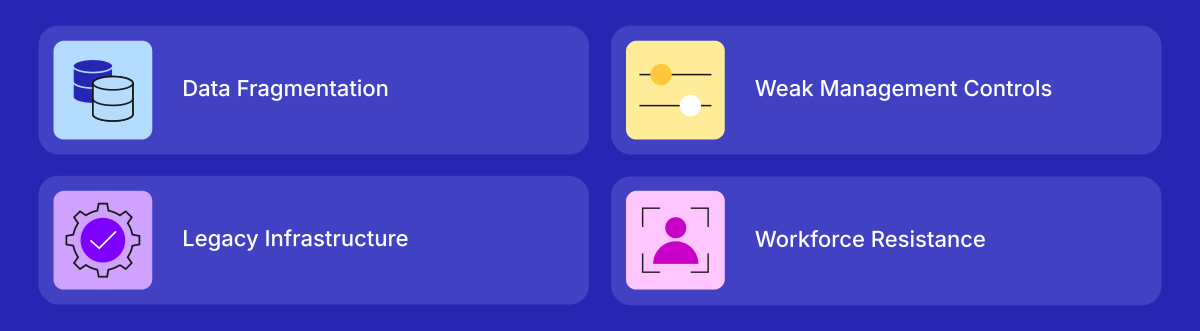
Inconsistent data records and fragmented storage systems create immediate technical friction for automated processing. Over time, weak management frameworks escalate serious privacy and compliance risks while older legacy infrastructure complicates software integration. Employee resistance and ethical concerns can further slow operational progress when leadership neglects thorough workforce training.
Why Governance, Ethics, and Guardrails Matter
Strong management rules protect enterprise operations while maximizing value from advanced analytical technologies.
-

The Foundation of Responsible AI
Comprehensive oversight controls prevent tool misuse and improve compliance with complex regulatory standards. They also support ethical principles that build organizational trust in automated findings and significantly lower operational liability. Clear operational boundaries reduce legal exposure and support sustainable, long-term technology deployment across the organization.

Final Thoughts
Enterprise technology success starts with governance before software adoption. Safe operational expansion depends on trusted data, human oversight, and clear accountability across each process. The Casepoint platform supports information governance and regulatory compliance, helping organizations use advanced legal automation securely and responsibly.
Frequently Asked Questions (FAQs)
-

What is AI governance in enterprises?
Enterprise AI governance establishes clear policies, auditing processes, and accountability standards for automated software operations.
-
Why are AI guardrails important?
Technical guardrails help reduce data privacy leaks, algorithmic errors, and compliance gaps.
-

How do companies implement AI responsibly?
Organizations start with controlled pilot projects, audit data quality, and enforce ethical usage training across teams.
-

How does the Casepoint Platform support AI readiness?
Casepoint supports AI readiness with FedRAMP Moderate and High authorizations, secure cloud software, and structured information governance for legal workflows.
-

What are the risks of AI implementation without governance?
It can expose sensitive data, weaken privilege and confidentiality, trigger compliance issues, increase legal liability, and allow biased or unverified outputs to shape decisions.


Categories:


